This years theme is REMIX. Nothing is new, everything is mashed. Welcome to a reiteration of the organic past generated by actual humans living in the shadow of artificial impermanence.
Lineup:
Ofelia Jarl Ortega / Yolanda Alonso Bothén / Sandy Harry Ceesay / Leah Landau / Jukka Korpi / Bengt Elmén / Clara Ziegler / Yari Stilo / Thamine Mossavion / Oda Brekke / Sara Soumah / Marcus Doverud / Korina Kordova / Stina Ehn & Sigrid Rodian Poulsen / Fatima Kassius / Natalia Perea Santana / Robin Dingemans / Lyxxtjack & Lisa Janbell / Elise Brewer / Kelly Whelan / Molly Engblom / Rayo / Foad Arbabi / Sonja Lindgren / Paloma Madrid
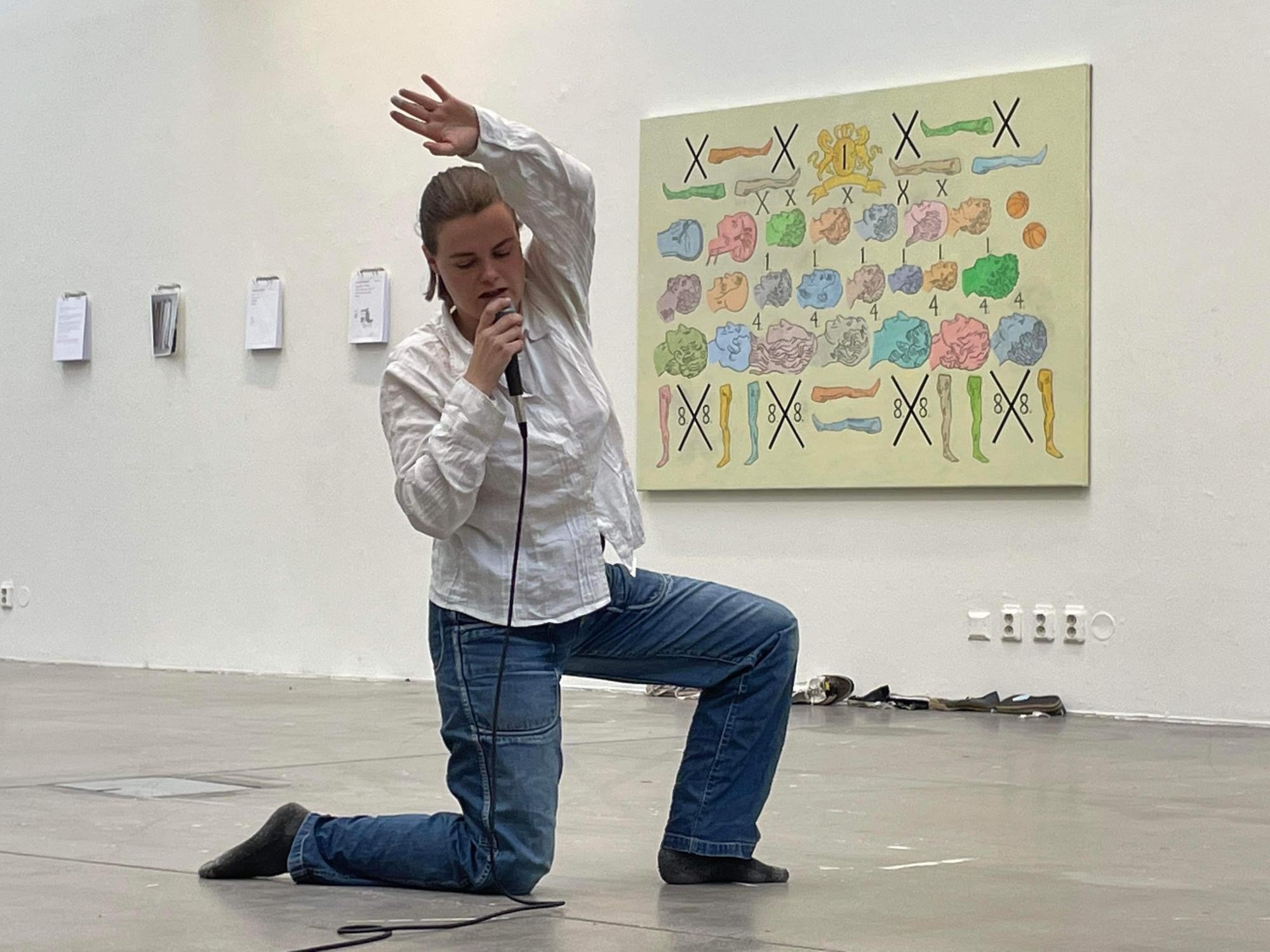
Lyxxtjack’s sacred nagging meets Lisa Janbell’s voice of tender yearning.
Longing meets high BPM, fast and ugly. Feelings meet spatula on ass, gabberstyle.
Screaming meets crooning.
Some feelings might move.
A collision of high-speed gabber rhythms, electroacoustic noise, slow-moving bodies and buttery RnB vocals. Somewhere between a performance concert, breakdown and a love song. Three hits, maybe.
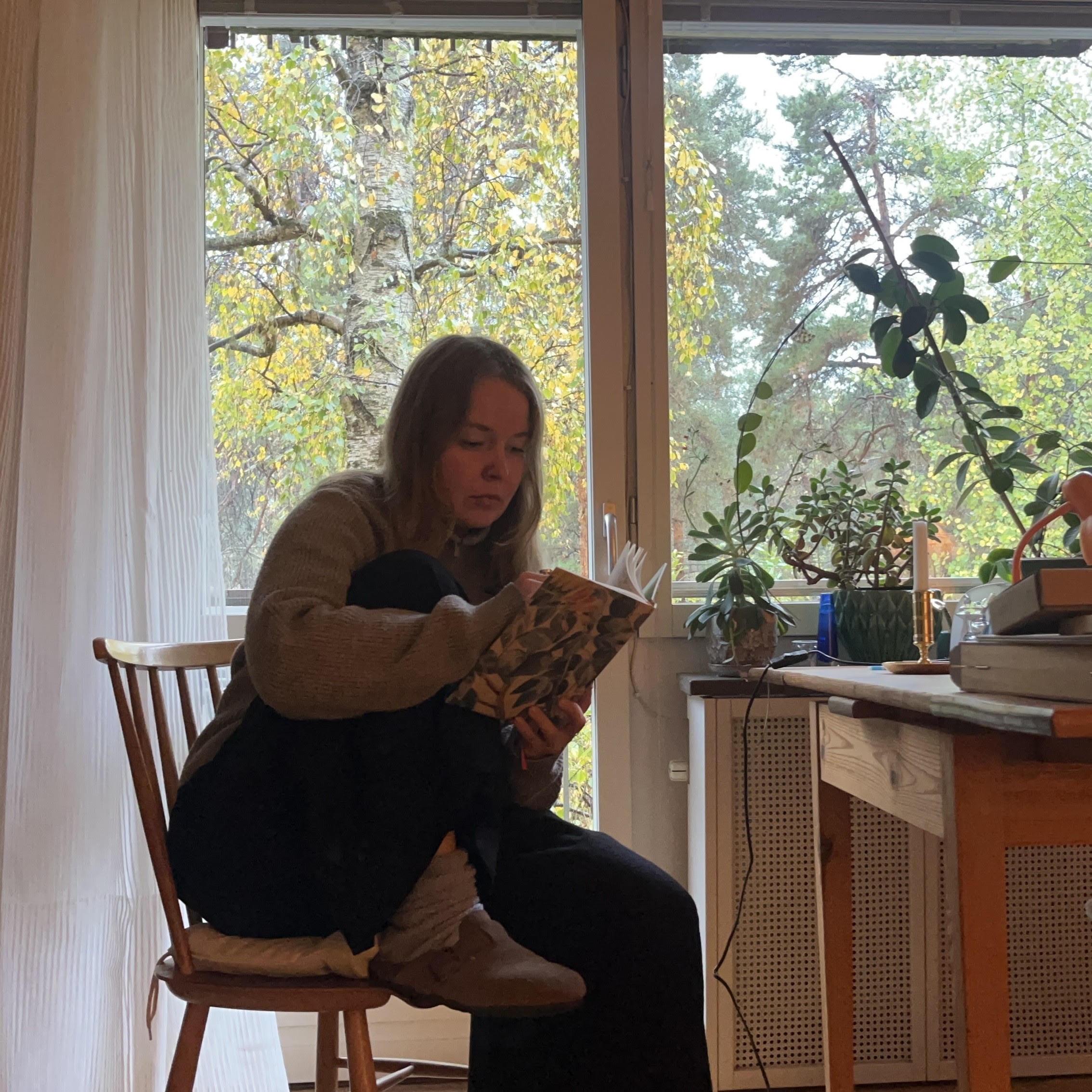
Jag läser bok. Jag tänker på baby. Jag dansar tango. Jag tänker på baby. Jag steker köttbullar. Jag tänker på baby. Jag tittar på film. Jag tänker på baby. Jag äter bulle. Nam Nam. Jag äter baby.
Äta baby startade i en läsning av The Lesbian body (1973) av Monique Wittig och en lust att göra en remix till höjdenfestivalen om att vara lesbisk och besatt.
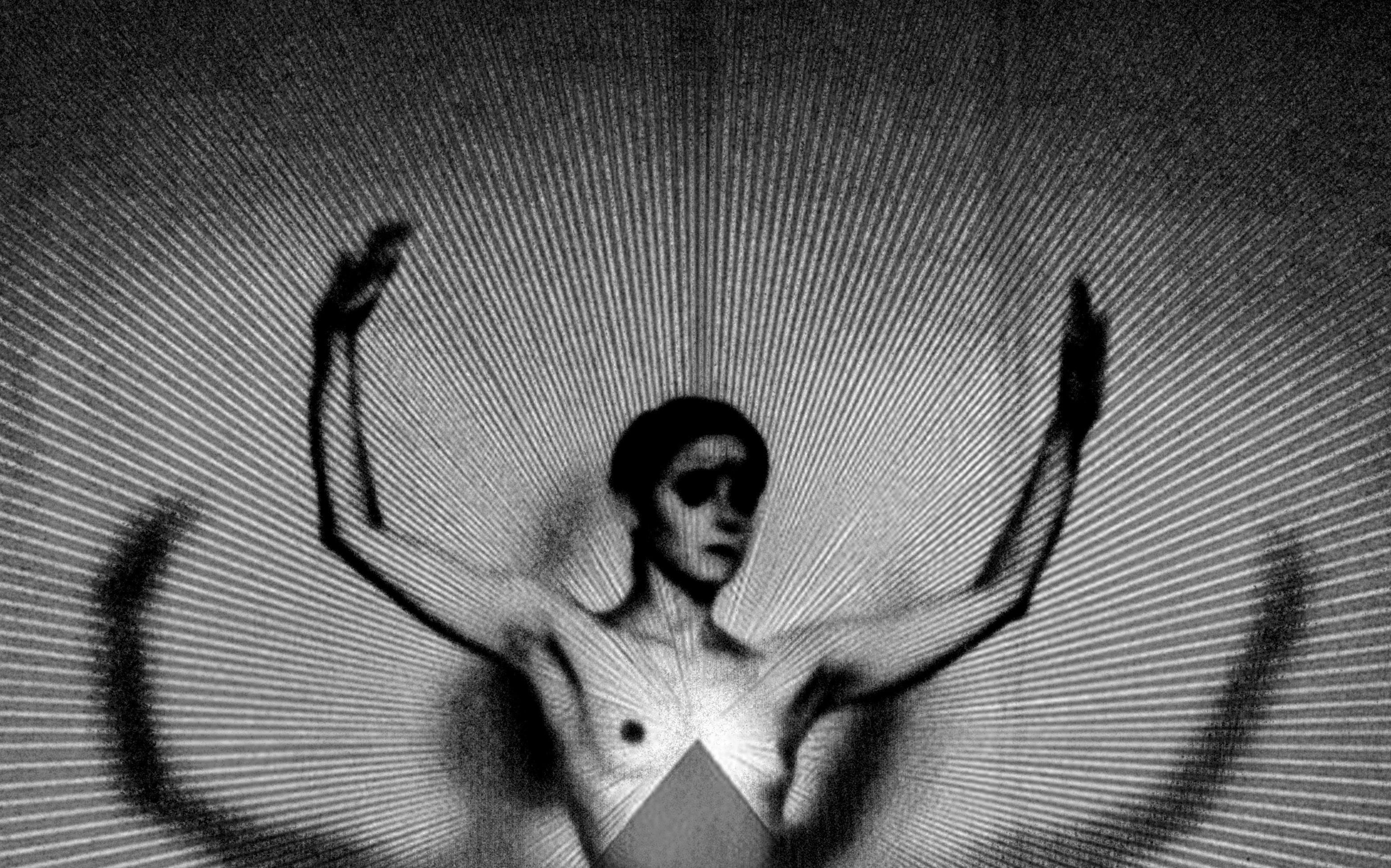
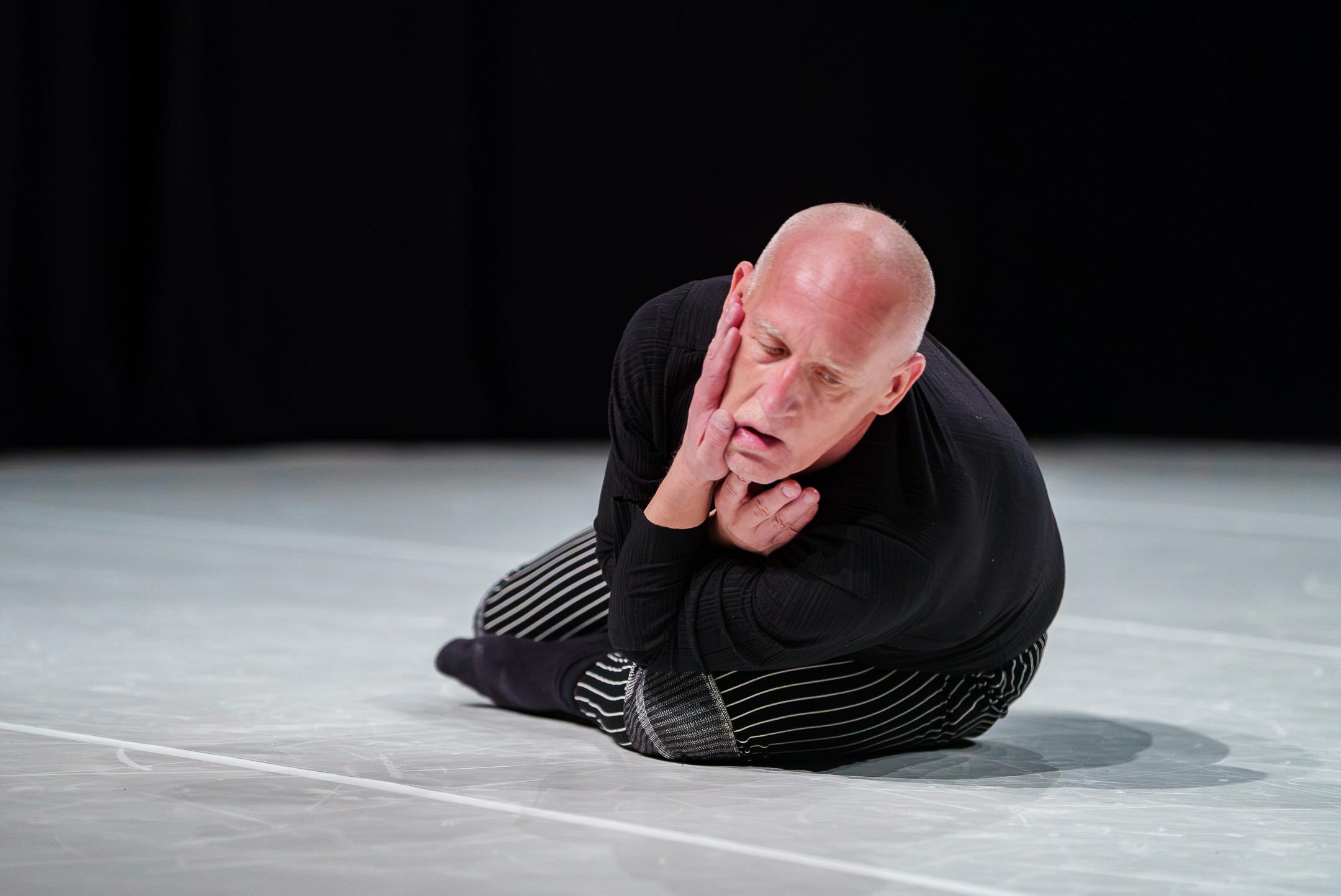
An autofictional dance in dialogue with Bronislava Nijinska and Ida Rubinstein.
Dedicated to Obdulia Atanes y Atanes, the Spanish immigrant woman who mothered
me until I was ten years old, in São Paulo, Brazil.
In a process of reconstruction and celebration of both a relationship and my histories
in dance, some things come back obsessively. And they insist on being danced
again.
Image: Fabio Zerbini
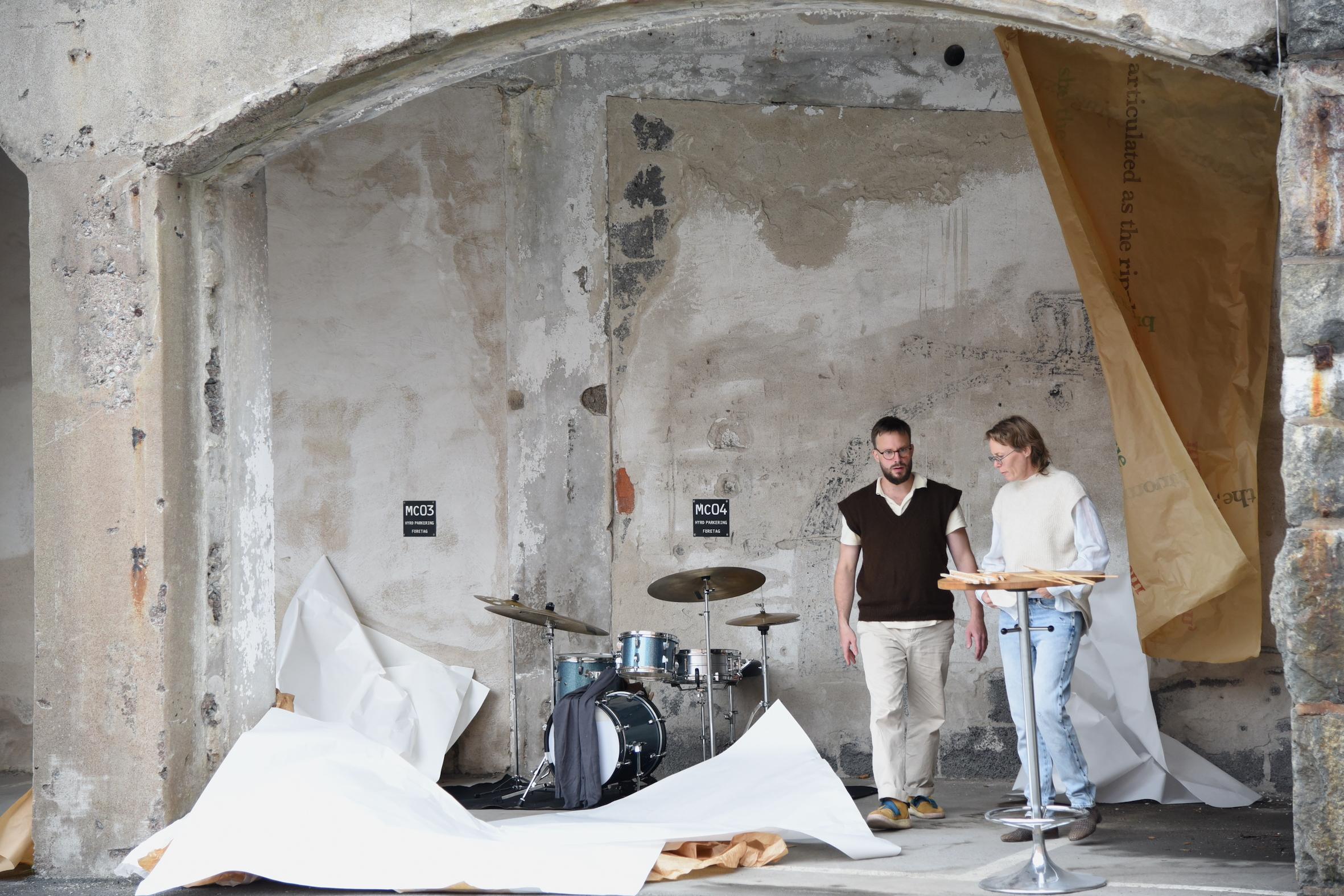
In Veckad rytm, the sound of paper is folded into a rhythm-making. As to its composition
spatial, choreographic and material. Brought together by means of improvisation, were
different sound-worlds and sonic cultures clash and resonates with each other. A sonorous crinkle, meets a rhythmic lick. An aggressive shaking paper-body, like rustling leaves, meets the dryness of a drumhead. A suggestive beat, a deflated sound. It is in and through the listening the music emerges.
This performance is an attempt to think out loud aboout and through choreography in public. At times the score is to describe the task itself as I am performing it, at times I aim to ponder upon themes related to the works that I am interested in. I will remix works that I saw, read and worked on during my residency at Movement Research in NYC in the beginning of the fall this year.
New profile. Better body. More desirable.
The body is a product, its owner both advertiser and advertisement. Who will swipe, hire, connect? And what must change to be chosen?
In Snygg sexig singel, Thamine Mossavion blends performance, poetry, music and mindfulness with contemporary rituals of self-improvement and online self-presentation. The piece explores the uneasy space between selling yourself and being yourself — and the toll it takes on the body.
With inspiration from the participatory scores of composer Pauline Oliveros.
Clara Ziegler is an artist and music producer based in Stockholm. She is remixing/interpreting two poems by the American poet William Carlos Williams (1883-1963), "4th of July" and "The Widows Lament in Springtime". Ziegler's work is a romantic, atmospheric mixture between acoustic and electronic elements. This work springs off her latest music release, a double single titled Journaling.
Suru is a Finnish word for sorrow.
The first time I heard Eira’s song “sink” I was drawn to it very intensely, and the movements came to me just by themselves. In a way you could call Suru for a remix of sink, interpreted through dance, but it has it´s own identity also. Suru is a piece about sad things, something there is plenty of in the world, and something I think everybody can relate to in different ways.
Choreography & dance: Jukka Korpi
Music: "sink" by Eira
Fotograf: Pawel Wyszomirski
Through the epic of Sunjata as told by Banna Kanute, the narrator tells the tale of naming the thing a thing, breaking centuries of prophecy and turning to literature for guidance. By enacting and re-reading/ re-writing the previously told epic of Sunjata, the work aspire to unearth potential forces of knowledge production through the physical act of collective listening.
Since 2008, Noriko Kato and Yolanda Alonso Bothén have collaborated across Japan, Spain, and Sweden. This new performance weaves dance, projections, ink, and calligraphy into an evolving artistic journey. Past and present meet as Kato, Alonso Bothén, and Kaori Mitsuhashi explore identity, memory, silence, and transformation through presence, movement, and sound.
Performers: Noriko Kato, Kaori Mitsuhashi, and Yolanda Alonso Bothén.
Music: SSEEDNORIKO, Hara Alonso.Art Installation, projections and paintings: Yolanda Alonso Bothén
Yolanda Alonso Bothén is a Stockholm-based Spanish performer and visual artist. Her practice moves between dance, improvisation, calligraphy and Sumi-e painting. Through ink, movement, image and sound, she explores landscape as a space of memory, identity and belonging. Her work is rooted in presence, listening and instant composition, creating open landscapes where dancers and musicians meet and respond in the moment.
Noriko Kato is a Japanese dance artist, choreographer, director, music creator and filmmaker. Working internationally, her practice brings together dance, music and film, with a strong focus on collaboration across cultures. Her work explores memory, consciousness, life and existence through the body, seeing movement as a way to awaken memory, creativity and our connection to the self. In 2025, her directorial debut film STARSEEDS: COSMIC CREATOR received the Best First Time Filmmaker Award at the Barcelona Indie Awards.
Kaori Mitsuhashi is a Japanese dancer based in Aomori. She began studying ballet and modern dance as a child and has worked extensively in contemporary dance and Noguchi Taiso. Since 2004, she has studied with Mari Osanai and performed in many of her works, as well as in productions at the Aomori Museum of Art and the Kyoto International Butoh Festival. Her practice is rooted in bodily sensation, exploring movement that is natural, joyful and physically intuitive
Devotion is a dance and a practice; devotion is asking you to talk to strangers; devotion is asking you to split your attention; devotion
wants your stories about it; devotion goes on and on, at various scales; devotion attends to the song of the world—found in the tiniest
details of nature, which includes ourselves. Devotion gives back whatever is put into it.
Choreography: Laressa Dickey, together with Yari Stilo
Performance: Yari Stilo