This year's edition of Höjdenfestivalen proposes the remix as a way to enter and gather around artistic process. The artists at Höjden have worked with the remix as translations between mediums, as a good excuse to explore a new collaboration, as a response, a comment, a wrestling with history, or a return to one’s own old work.
(Click on the post to read about the acts)
Tickets (link to Billetto) or at the door. To avoid ques we recommend that you purchase your ticket in advance. Thanks!
Friday
17:30 Doors open
18:00 Yolanda Alonso Bothén, Noriko Kato & Kaori Mitsuhashi
18:30 Clara Ziegler
19:00 Cassette set with CS 3,5 and CS monster
19:30 Welcome speach
20:00 Thamine Mossavion
21:00 Jukka Korpi
Saturday
15:00 Gallery talks with Fatima Kassius and Sonja Lindgren
16:00 Leah Landau & Carima Neusser
16:30 Natalia Higuita & Natalia Perea Santana
17:00 Live podcast with Bengt Elmén
18:00 Korina Kordova
18:30 Paloma Madrid
19:30 Sandy Harry Ceesay
20:00 Stina Ehn & Sigrid Rodian Poulsen
20:30 Yari Stilo
21:30 Ofelia Jarl Ortega
22:00 Lyxxtjack & Lisa Janbell
22:30 Rayo & Tibithy KREA
Sunday
13:00 Sara Soumah
14:00 Oda Brekke
14:30 Molly Engblom
15:30 Marcus Doverud & Liv Strand
16:00 Robin Dingemans
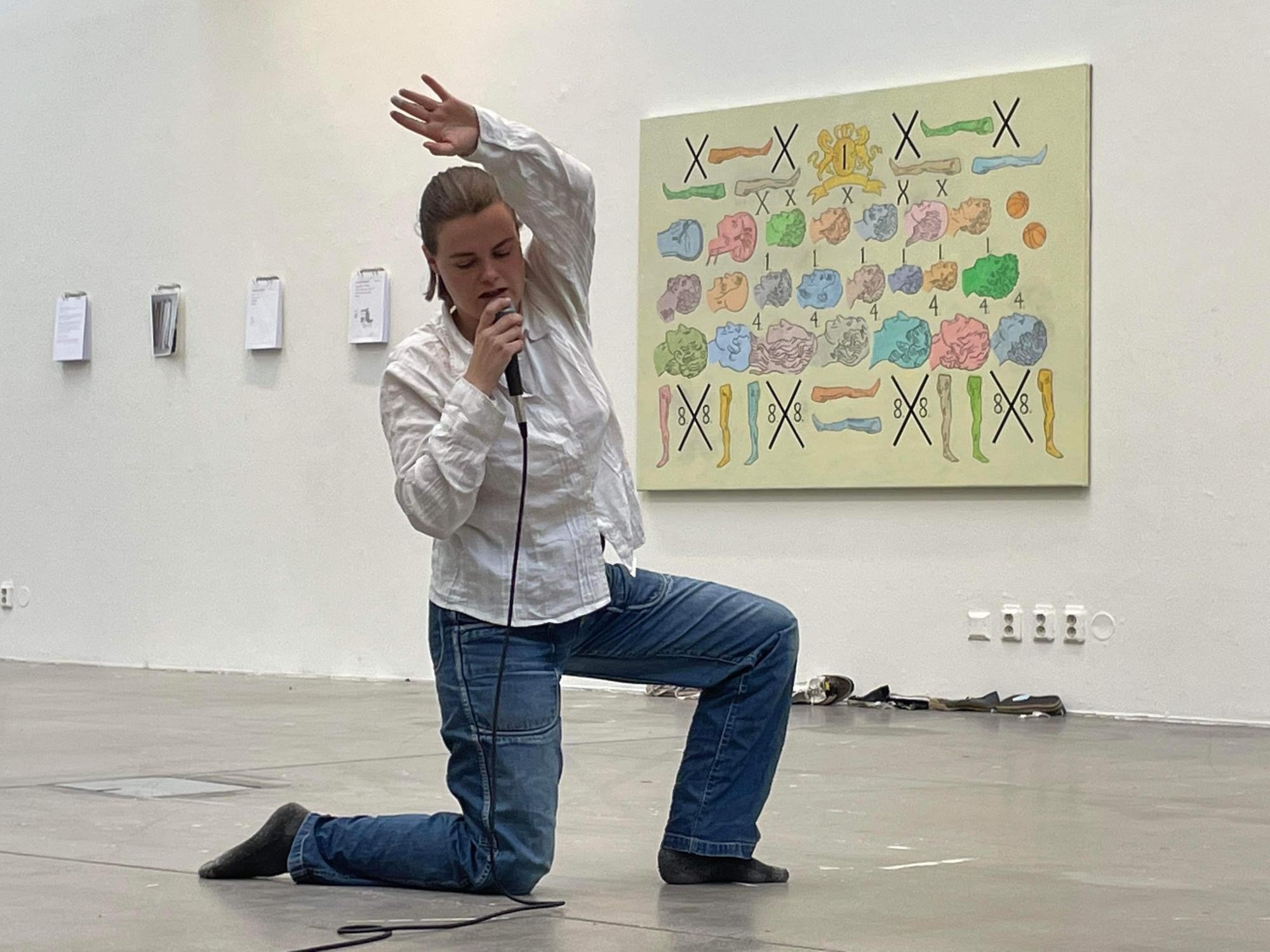
Lyxxtjack’s sacred nagging meets Lisa Janbell’s voice of tender yearning.
Longing meets high BPM, fast and ugly. Feelings meet spatula on ass, gabberstyle.
Screaming meets crooning.
Some feelings might move.
A collision of high-speed gabber rhythms, electroacoustic noise, slow-moving bodies and buttery RnB vocals. Somewhere between a performance concert, breakdown and a love song. Three hits, maybe.
Image: Photoshop pic original by Kevin Chang
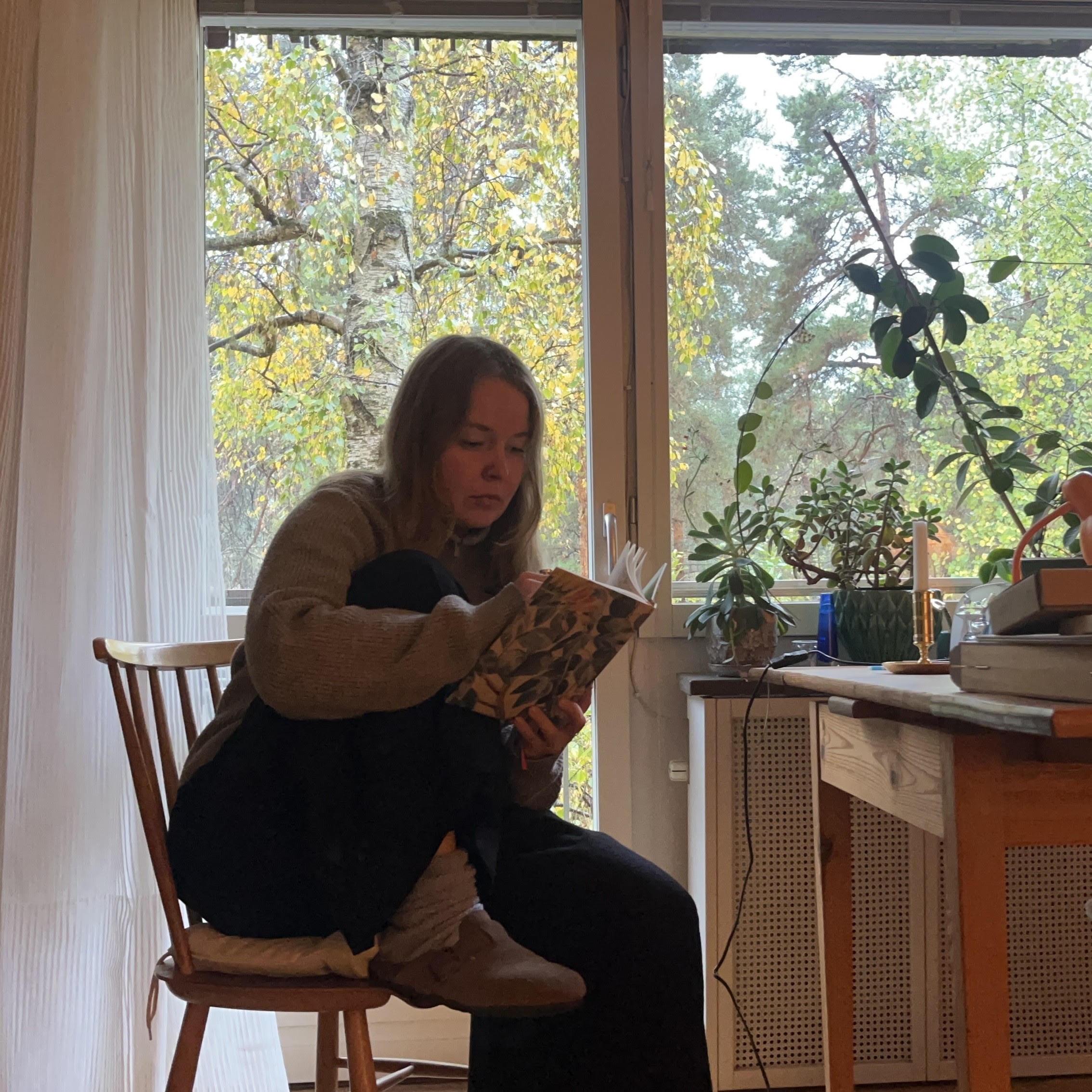
Jag läser bok. Jag tänker på baby. Jag dansar tango. Jag tänker på baby. Jag steker köttbullar. Jag tänker på baby. Jag tittar på film. Jag tänker på baby. Jag äter bulle. Nam Nam. Jag äter baby.
Äta baby startade i en läsning av The Lesbian body (1973) av Monique Wittig och en lust att göra en remix till höjdenfestivalen om att vara lesbisk och besatt.
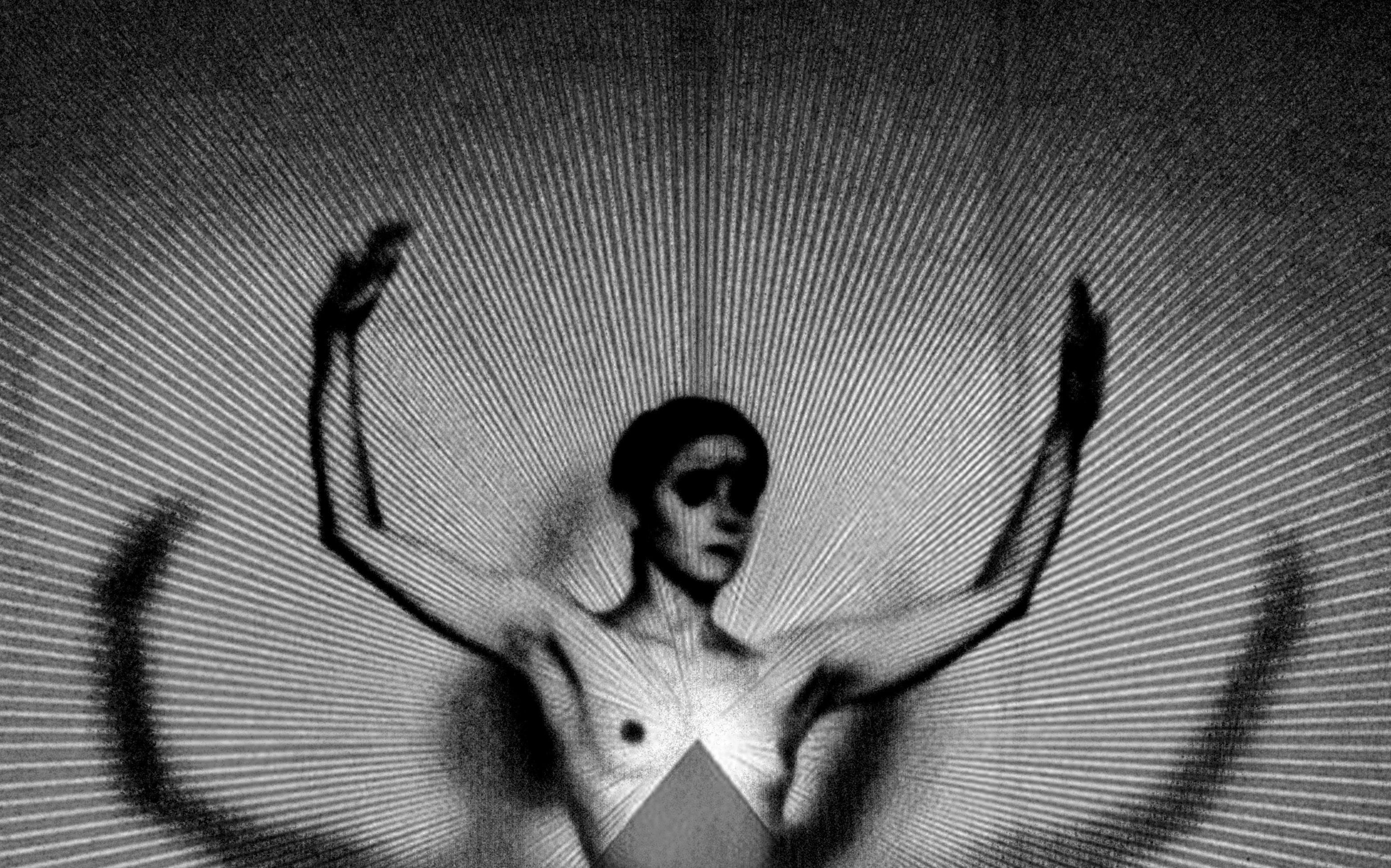
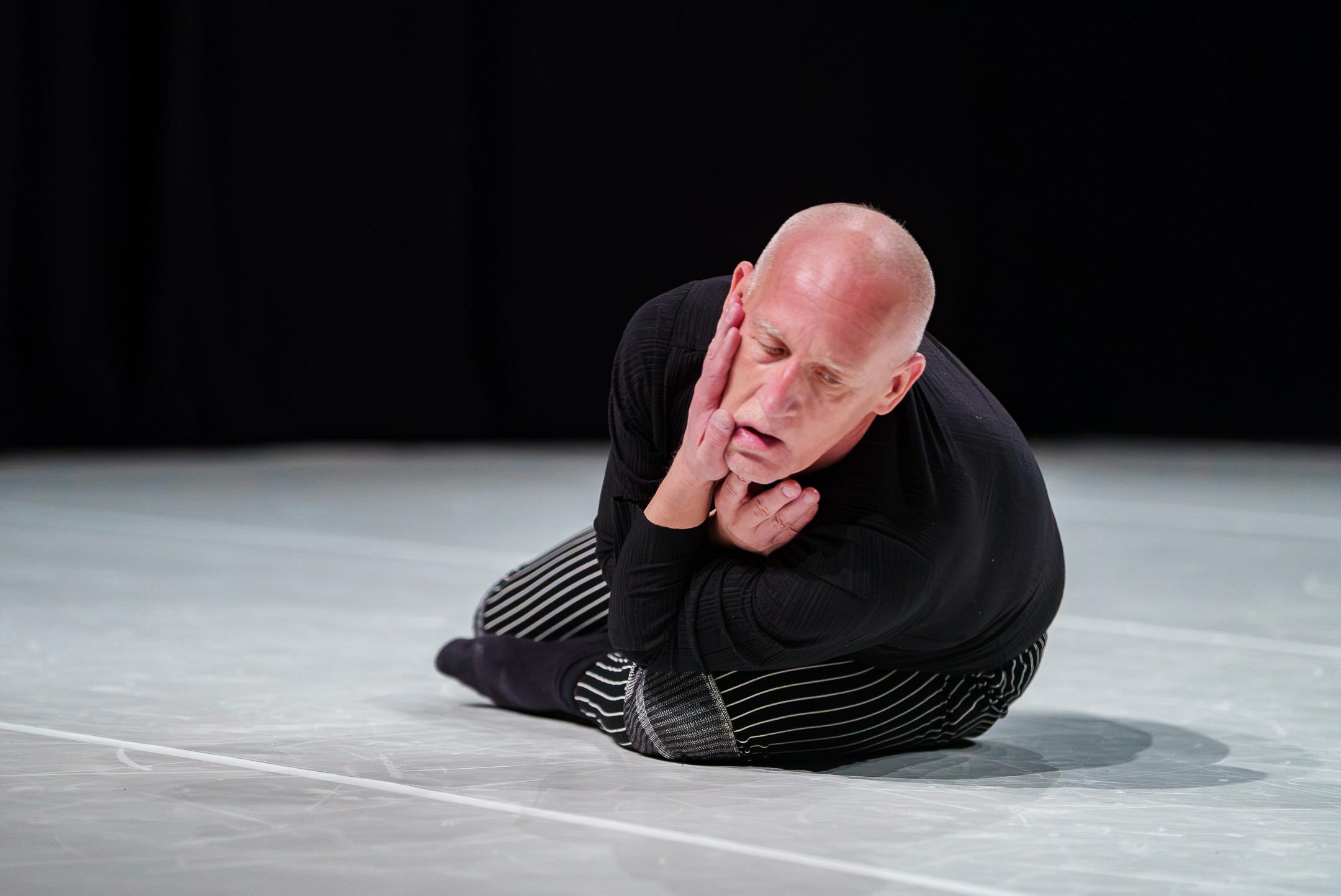
An autofictional dance in dialogue with Bronislava Nijinska and Ida Rubinstein.
Dedicated to Obdulia Atanes y Atanes, the Spanish immigrant woman who mothered
me until I was ten years old, in São Paulo, Brazil.
In a process of reconstruction and celebration of both a relationship and my histories
in dance, some things come back obsessively. And they insist on being danced
again.
Image: Fabio Zerbini
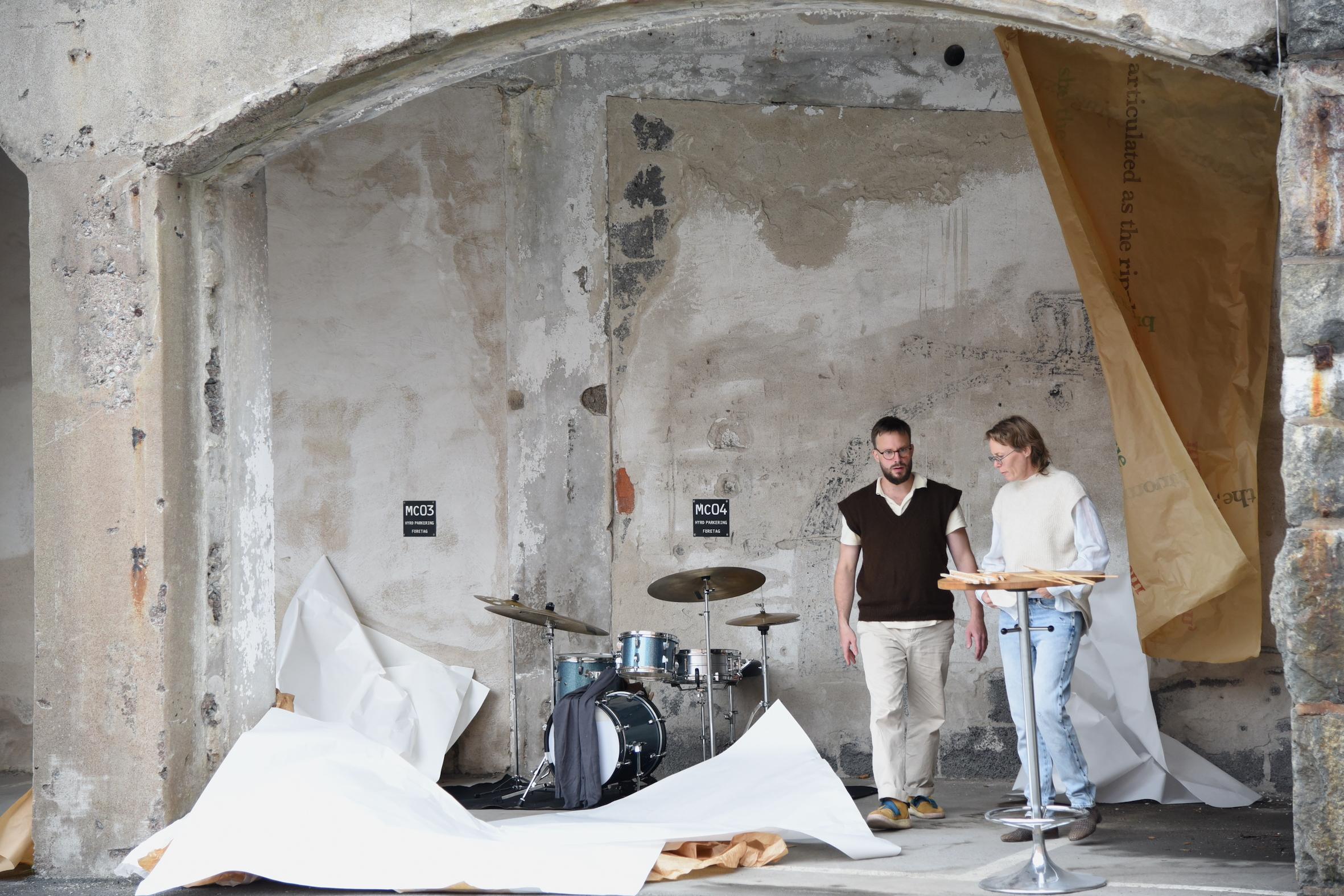
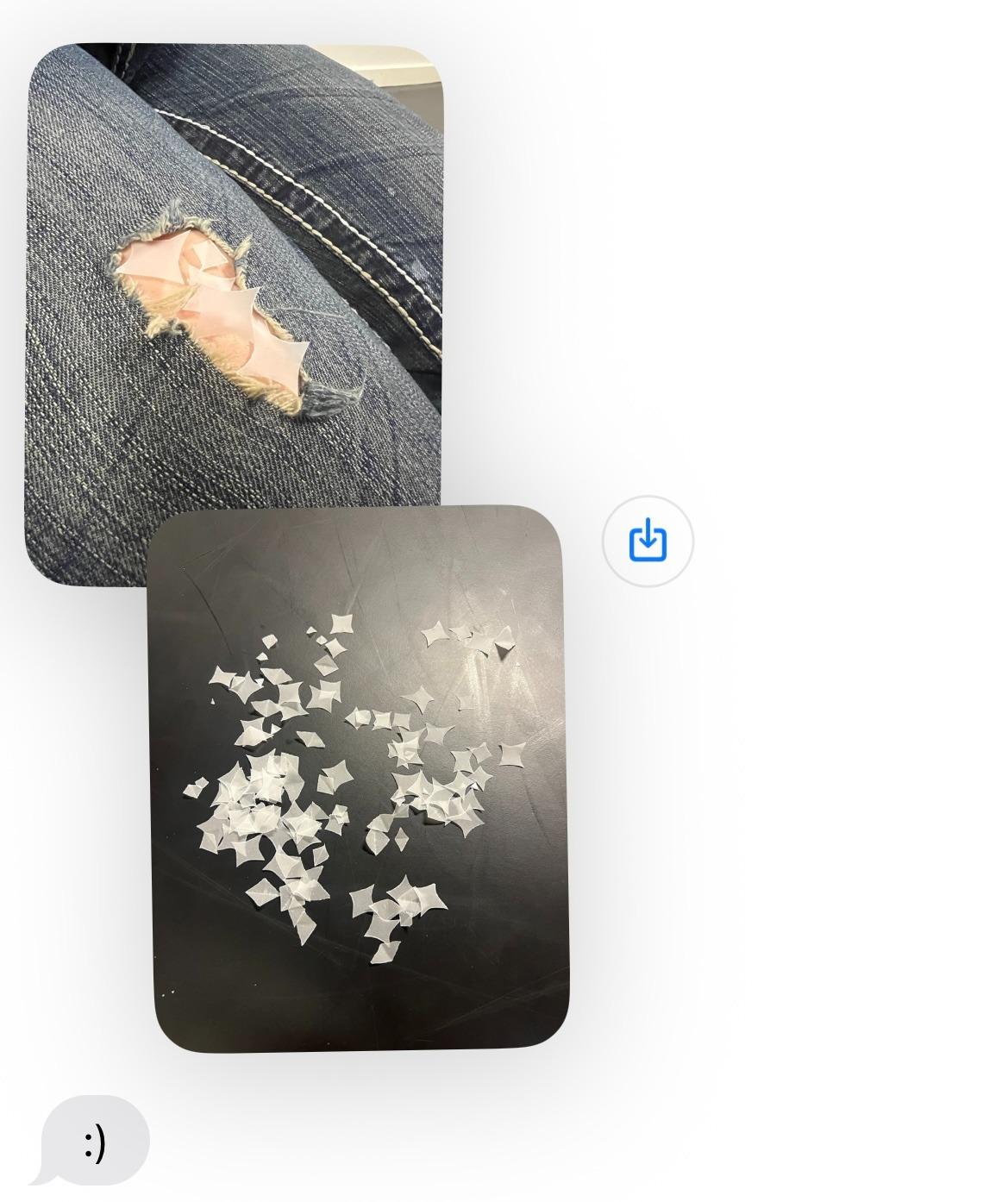
In Veckad rytm, the sound of paper is folded into a rhythm-making. As to its composition
spatial, choreographic and material. Brought together by means of improvisation, were
different sound-worlds and sonic cultures clash and resonates with each other. A sonorous crinkle, meets a rhythmic lick. An aggressive shaking paper-body, like rustling leaves, meets the dryness of a drumhead. A suggestive beat, a deflated sound. It is in and through the listening the music emerges.
This performance is an attempt to think out loud aboout and through choreography in public. At times the score is to describe the task itself as I am performing it, at times I aim to ponder upon themes related to the works that I am interested in. I will remix works that I saw, read and worked on during my residency at Movement Research in NYC in the beginning of the fall this year.
New profile. Better body. More desirable.
The body is a product, its owner both advertiser and advertisement. Who will swipe, hire, connect? And what must change to be chosen?
In Snygg sexig singel, Thamine Mossavion blends performance, poetry, music and mindfulness with contemporary rituals of self-improvement and online self-presentation. The piece explores the uneasy space between selling yourself and being yourself — and the toll it takes on the body.
With inspiration from the participatory scores of composer Pauline Oliveros.
Clara Ziegler is an artist and music producer based in Stockholm. She is remixing/interpreting two poems by the American poet William Carlos Williams (1883-1963), "4th of July" and "The Widows Lament in Springtime". Ziegler's work is a romantic, atmospheric mixture between acoustic and electronic elements. This work springs off her latest music release, a double single titled Journaling.
Suru is a Finnish word for sorrow.
The first time I heard Eira’s song “sink” I was drawn to it very intensely, and the movements came to me just by themselves. In a way you could call Suru for a remix of sink, interpreted through dance, but it has it´s own identity also. Suru is a piece about sad things, something there is plenty of in the world, and something I think everybody can relate to in different ways.
Choreography & dance: Jukka Korpi
Music: "sink" by Eira
Fotograf: Pawel Wyszomirski
Through the epic of Sunjata as told by Banna Kanute, the narrator tells the tale of naming the thing a thing, breaking centuries of prophecy and turning to literature for guidance. By enacting and re-reading/ re-writing the previously told epic of Sunjata, the work aspire to unearth potential forces of knowledge production through the physical act of collective listening.
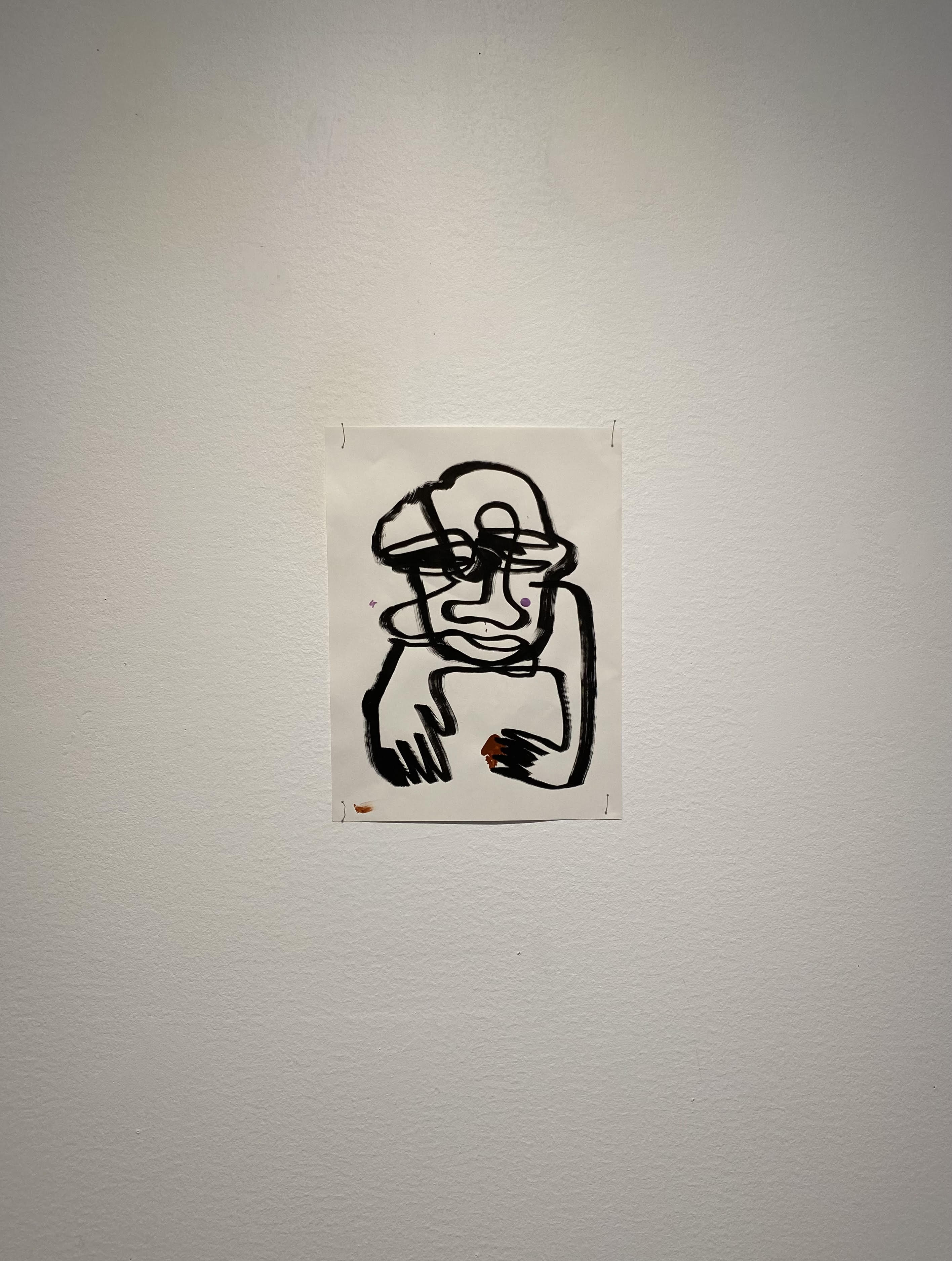
Since 2008, Noriko Kato and Yolanda Alonso Bothén have collaborated across Japan, Spain, and Sweden. This new performance weaves dance, projections, ink, and calligraphy into an evolving artistic journey. Past and present meet as Kato, Alonso Bothén, and Kaori Mitsuhashi explore identity, memory, silence, and transformation through presence, movement, and sound.
Performers: Noriko Kato, Kaori Mitsuhashi, and Yolanda Alonso Bothén.
Music: SSEEDNORIKO, Hara Alonso.Art Installation, projections and paintings: Yolanda Alonso Bothén
An informal social immersion and remixing, as a step toward, or fragment of, a multi-modality anti-epic. We look into each other’s eyes, mirroring different things about us, and soon enough exploring the infinity beyond the eye to eye / the gaze / labels. It takes us into multiple dimensions of physics of intersectionality, inverted, distorted, reconstrued… in coming together we open portals of being otherwise adjacent, a playground filling with human & beyond quantum information, qubit-compositioning - entangling, superpositioning, uncertainty principling & who knows what.
Co-choreography: Destiny Af Kleen. Ideas & video collaboration: Amina Avdiç, Sean MacDonald, Majula Drammeh, & Maipelo Gabang. Sounds, beats, & percussing: Manueal Pinheiro, Isak Unogwu.
Devotion is a dance and a practice; devotion is asking you to talk to strangers; devotion is asking you to split your attention; devotion
wants your stories about it; devotion goes on and on, at various scales; devotion attends to the song of the world—found in the tiniest
details of nature, which includes ourselves. Devotion gives back whatever is put into it.
Choreography: Laressa Dickey, together with Yari Stilo
Performance: Yari Stilo
Two monsters move around on a property, trying to avoid the hunter. Something’s watching, being watched, hiding, controlling. Neighbour hunts on property is Molly Engblom’s new research into monstrousity, freedom and surveillance. Remixing: Tina, the border guard from ‘Gräns’, who thinks she’s human but she’s actually a troll, Geryon, the red-winged monster who hides his wings under his shirt (Anne Carson version) and, my vacation in the great smoky mountains.
Performance Evelina Jakobsson Potenciano, Molly Engblom. In process past and future: Ane Carlsen.
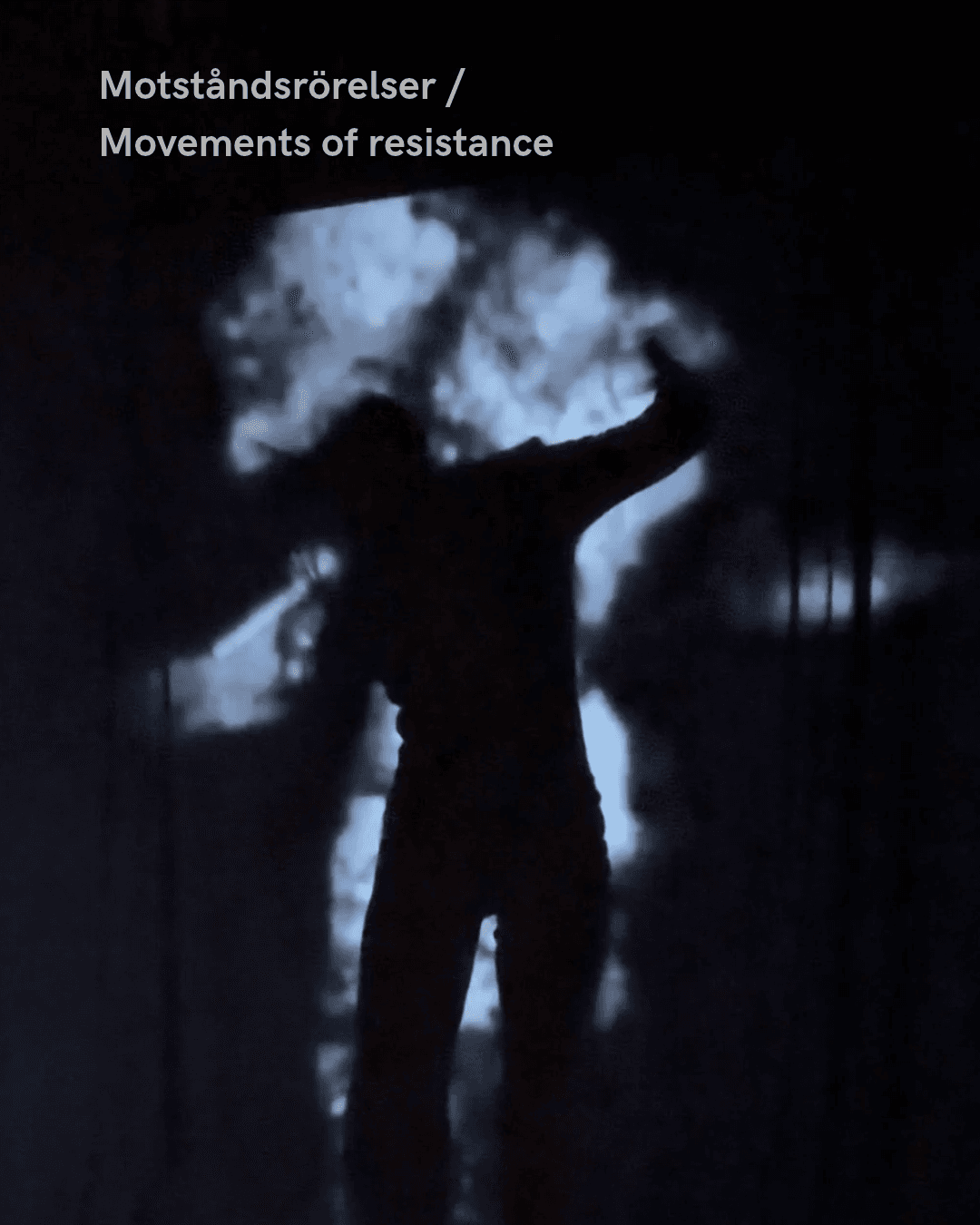
In Motståndsrörelser, which recently premiered at Fylkingen, dancer and choreographer Sara Soumah continues her ongoing investigation of resistance as a thematic starting point. Joining her in the process a group of dance artists, writers and activists have responded and reflected upon the work as it evolved. Their input, questions, provocations and artistic responses were incorporated and allowed to intermingle and be looped with material from Sara’s archive, to finally manifest as the transdisciplinary solo work Motståndsrörelser.
Music: Markus B Almqvist
Light design: Tobias Hallgren
Poem: Farida Al-Abani
Voices: Sara Soumah, Zoë Poluch
Responding artists: Matilda Bilberg, Luis Lineo, Viktoriia Khoroshylova
Artistic advice: Louise Hultén
Projection technician: Theo Theorell Fantuzzi
Advice on text and outreach: Mariana Suikkanen Gomes
An experimental fusion of genres, exploring contrasts and unexpected musical elements to create a cohesive harmony. Blending piano, guitar and vocals, the piece brings together different sonic textures and influences to create a distinctive reinterpretation of the original song.
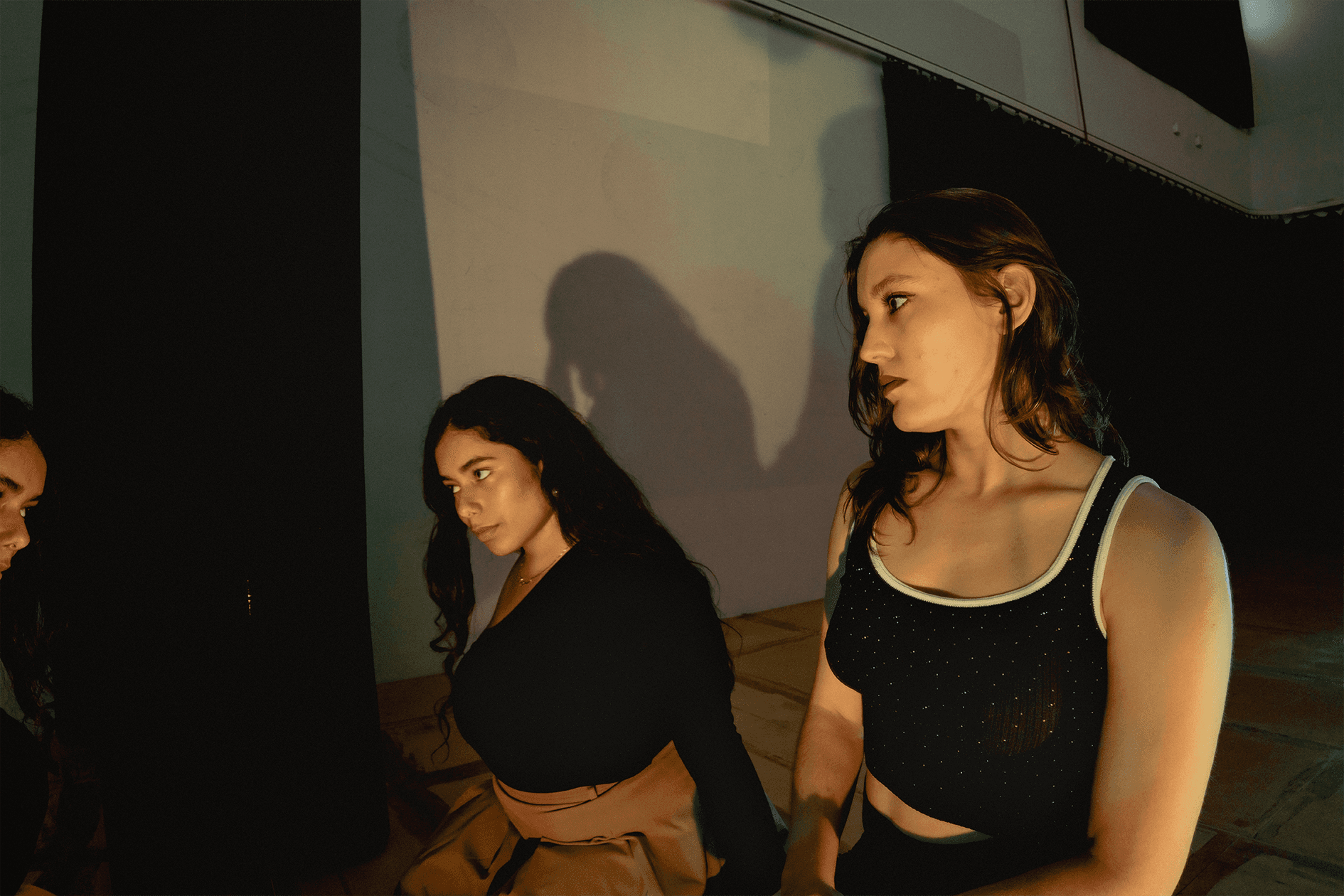
Two women share the dance floor: first dancing on their own, later coming together in set material, a perfect setting for comparing the two. In improvisation, they play with imagery of a contemporary Latin American experience. Stripped from narrative, we’re left with rhythm, timing, and the basics of performing.
In their new research, Ofelia Jarl Ortega and Natalia Perea Santana look at radical difference through performativity, accompanied by live piano music by Hara Alonso.
Concept: Ofelia Jarl Ortega,
Choreography, dance: Natalia Perea Santana & Ofelia Jarl Ortega.
Music by Hara Alonso.
Photo: Alejandro Westerlund.
digitals is the outcome of Stina Ehn and Sigrid Rodian Poulsen spending time in the studio together for the first time. Setting out to remix Sigrid’s previous work sheet music, they’ve let words and poses spill from the paper and out on the floor. Cut into pieces, in order to be layered back, digitals is a duet that comes together from new, tiny gaps and blurred gaze.
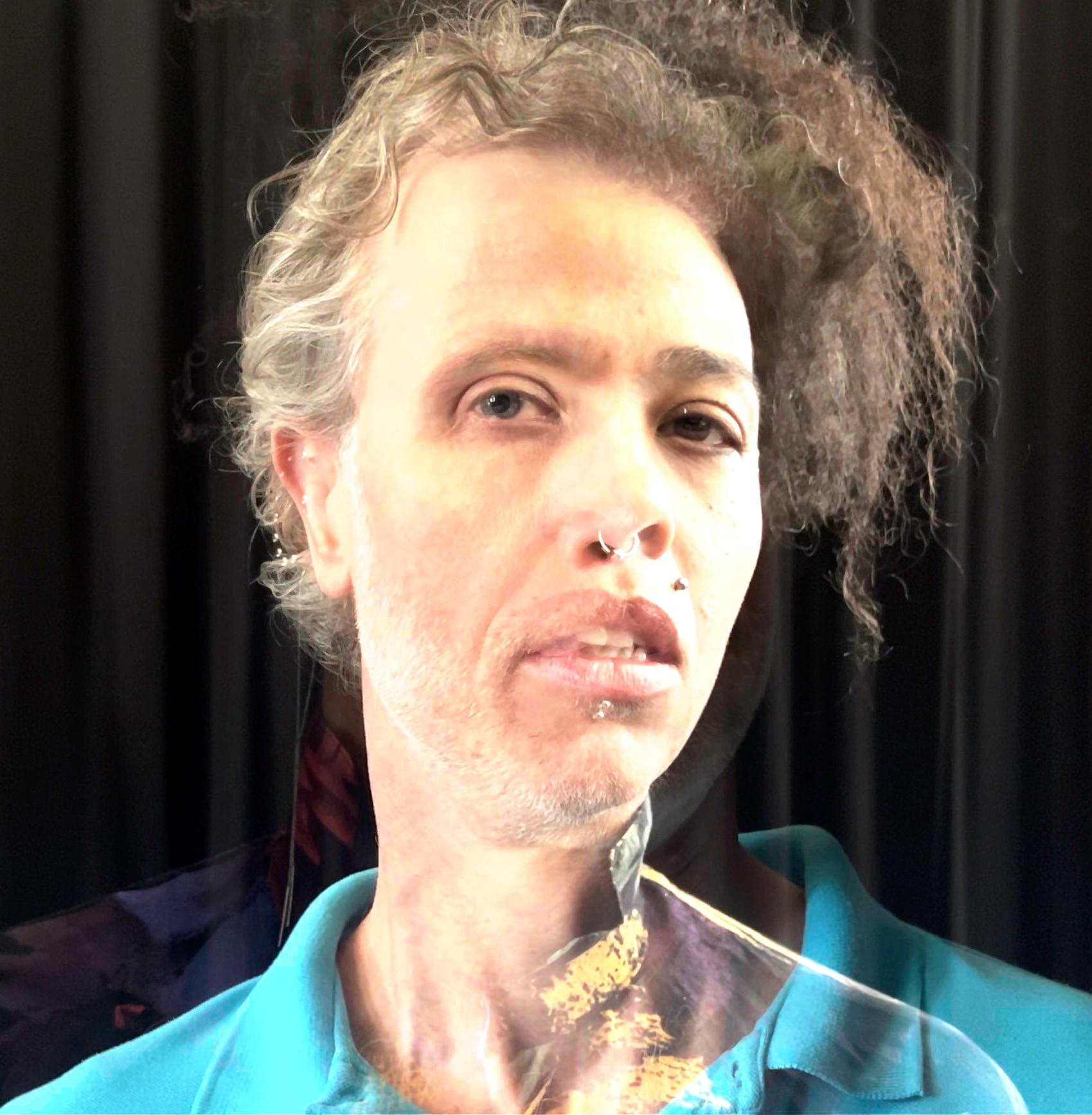
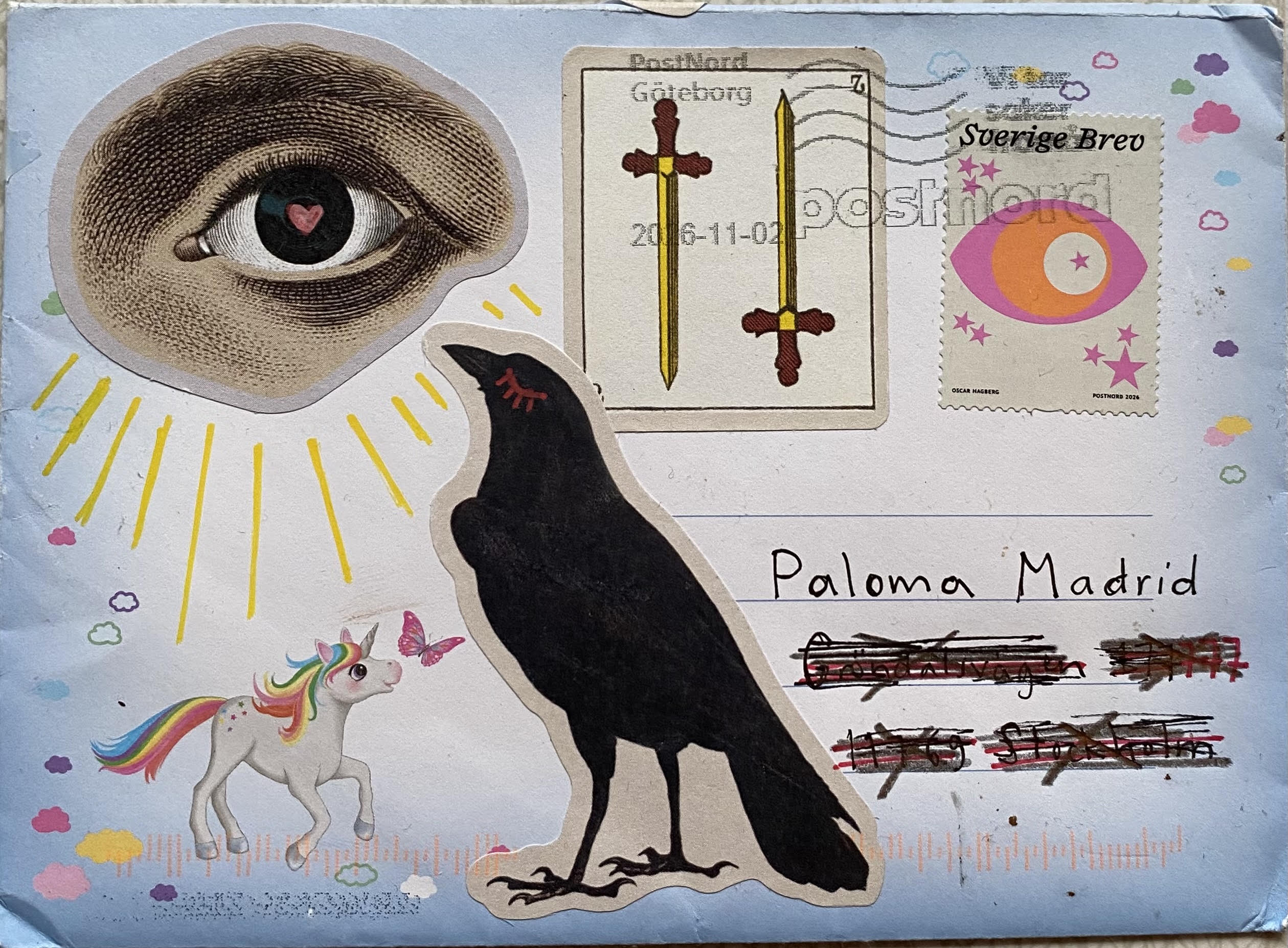
Centaurs, chapter 10, a sci-fi book set in 2088 by Paloma. In 2074, Carlitos mother rejects a bioman´s sperm and longs instead for robot centaurs from the Amazon’s scorched, transcendental rainforests: descendants of techno-punk prostitute foremothers whose bodies, through oxytocin, the elixir of belonging, inherited the ability to visit and reproduce in other dimensions. A dancer moves in an intuitive loop, then stands still, while Paloma Madrid reads. The text is born from the body, which reads and does.
Performers: Ege Özdoğan & Paloma Madrid collage: Tvillingskapet
A new episode of this new podcast will be recorded live. I’ll be interviewing a secret guest about dance, art and life. Why yet another podcast series about dance? Simply because dance is incredibly interesting. But perhaps even more because dancers and choreographers are indeed interesting people.
What drives them? Why don’t they give up, even though funding keeps shrinking year after year? Do they have something important to tell the rest of us? Are they on some kind of secret mission?
These are some of the questions—along with many others—that this podcast series sets out to answer. Enjoy!
In this bouquet, we bring two performers together, creating a shared space where movement, poetry, and the relationship between two bodies might bloom. Natalia’s Bouquet is a remix of Flowers by Natalia Higuita, in which a movement exploration inspired by 100 Tasks for Dancers and Other Survivors by Swedish choreographer and author Efva Lilja unfolds alongside the recitation of poems created specifically for the work. The poems explore perceptions of time, light, and flowers.
Poems by Boris Alvarez
A remix between choreographers and friends Leah Landau and Carima Neusser
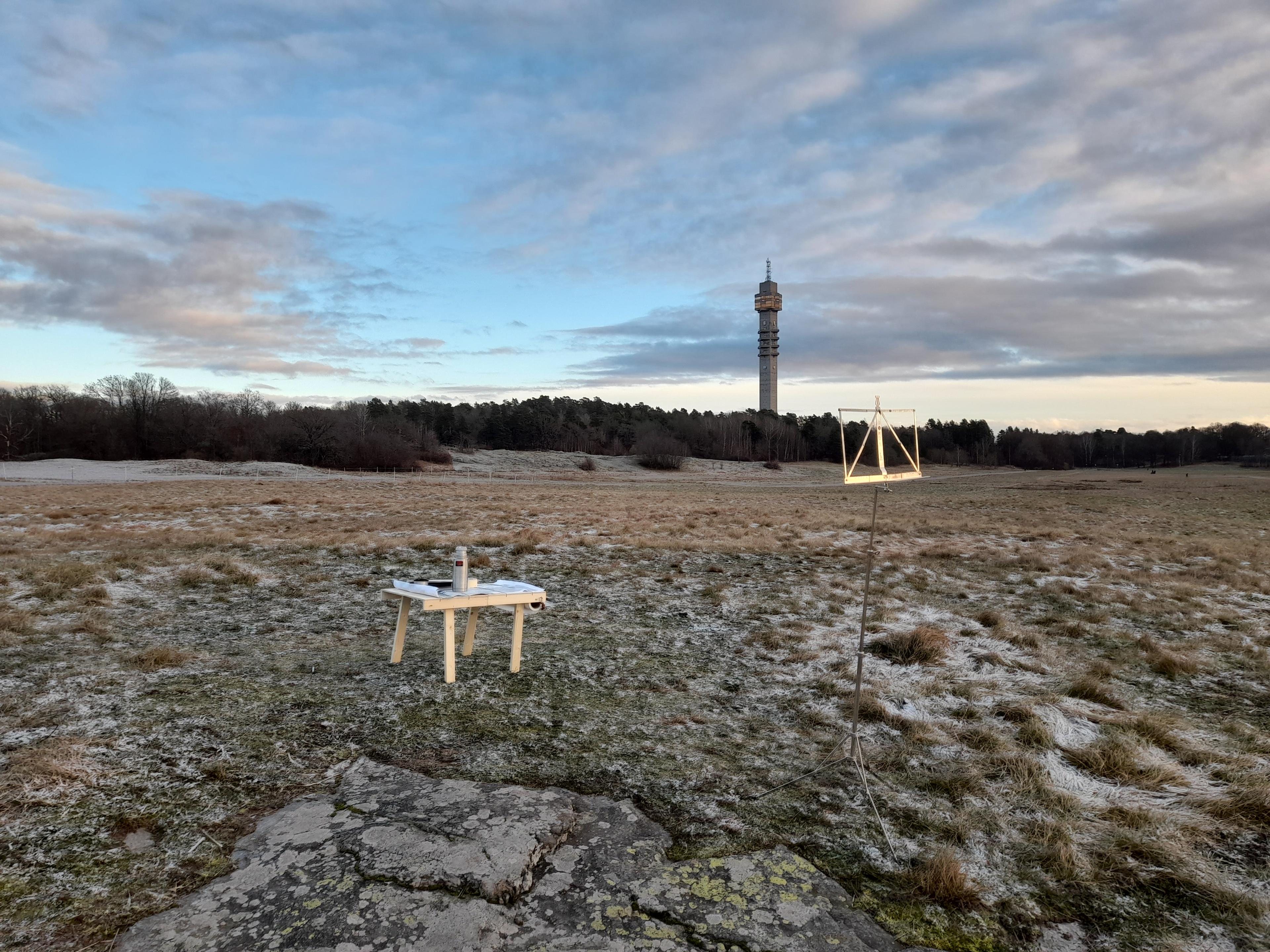
Just eight years after the introduction of Swedish television broadcasting, Sweden had become the country with the second-highest density of television receivers per capita. The TV became a machine capable of gathering an entire nation to simultaneously watch the same programme. By creating shared experiences, constructing a collective identity and synchronizing the everyday routines, how does broadcast media shape the way we live?
Sonja Lindgren works within the fields of architecture and scenography, with an interest in how the idea of domesticity is represented in images.
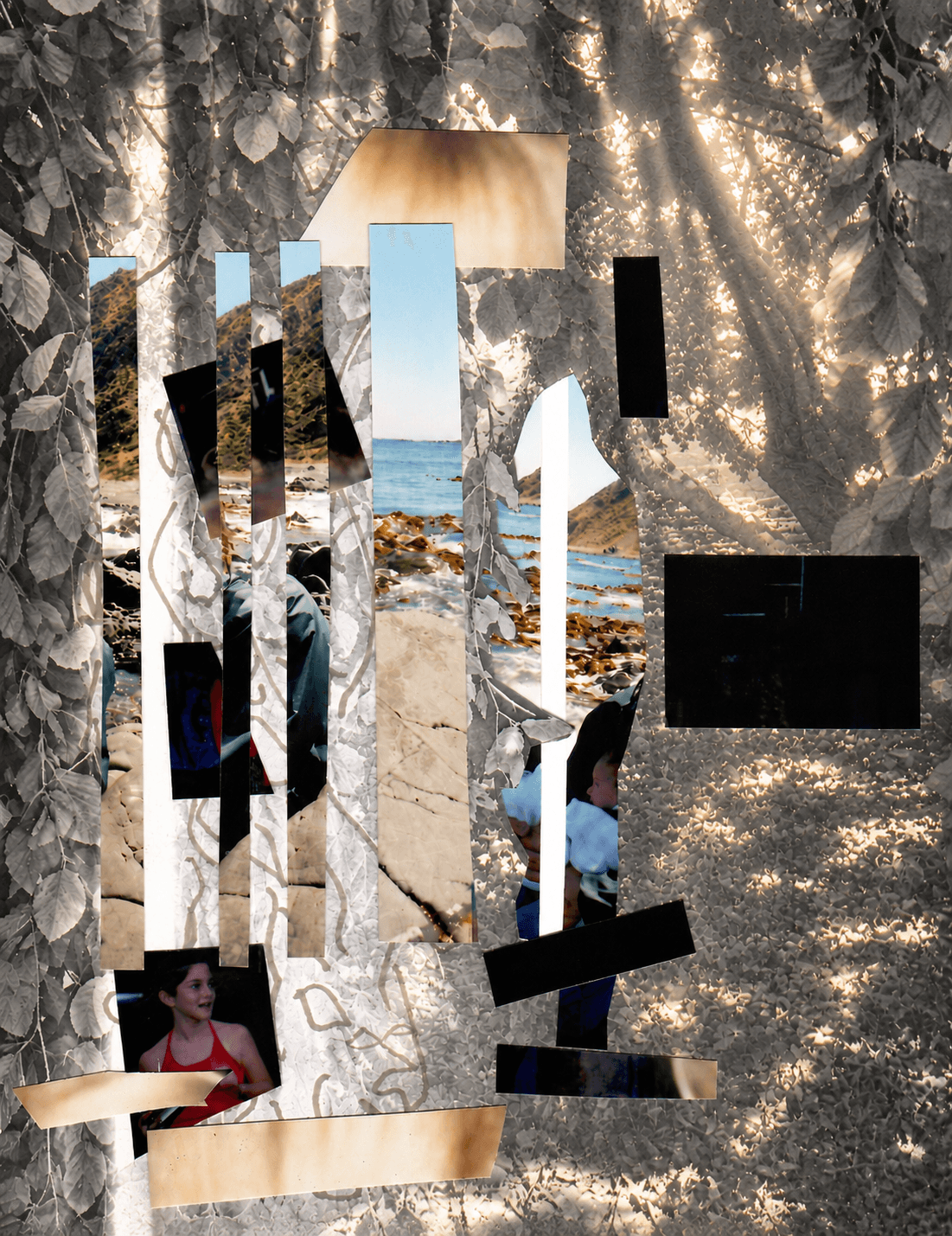
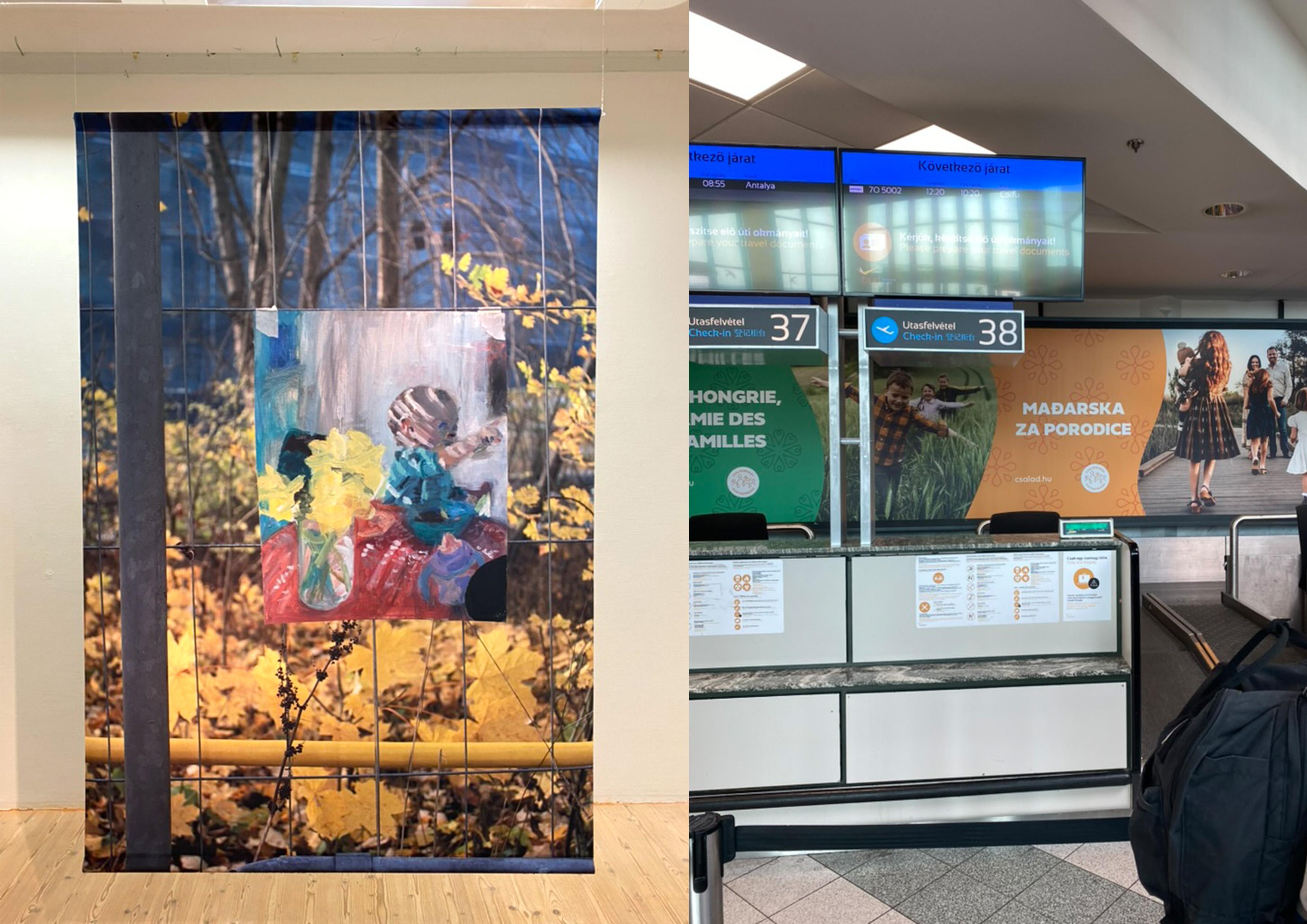
Jordbunden explores personal experiences of becoming a parent through photographs of paintings tied to physical places in the artist’s neighbourhood. The works address life with young children, illness and being tied to the home. During the same period, the artist travels to the family’s summer house in Hungary. At Budapest Airport they are confronted with propaganda imagery of the conservative, normative family.
The remix of the two works raises questions about the constraints and conditions surrounding family formation and parenthood.
Elise and Jonatan will select cassettes together for you to mingle and have a beer to. The music played will be a varied mix of tunes on a carpet of noise. This will be the first time they play cassettes together.